
CMLL — Consejo Mundial de Lucha Libre

HISTORY

From the 1933 Arena Modelo to today's CMLL: nearly a century of Mexican lucha libre told decade by decade — venues, masks, idols and a national identity.

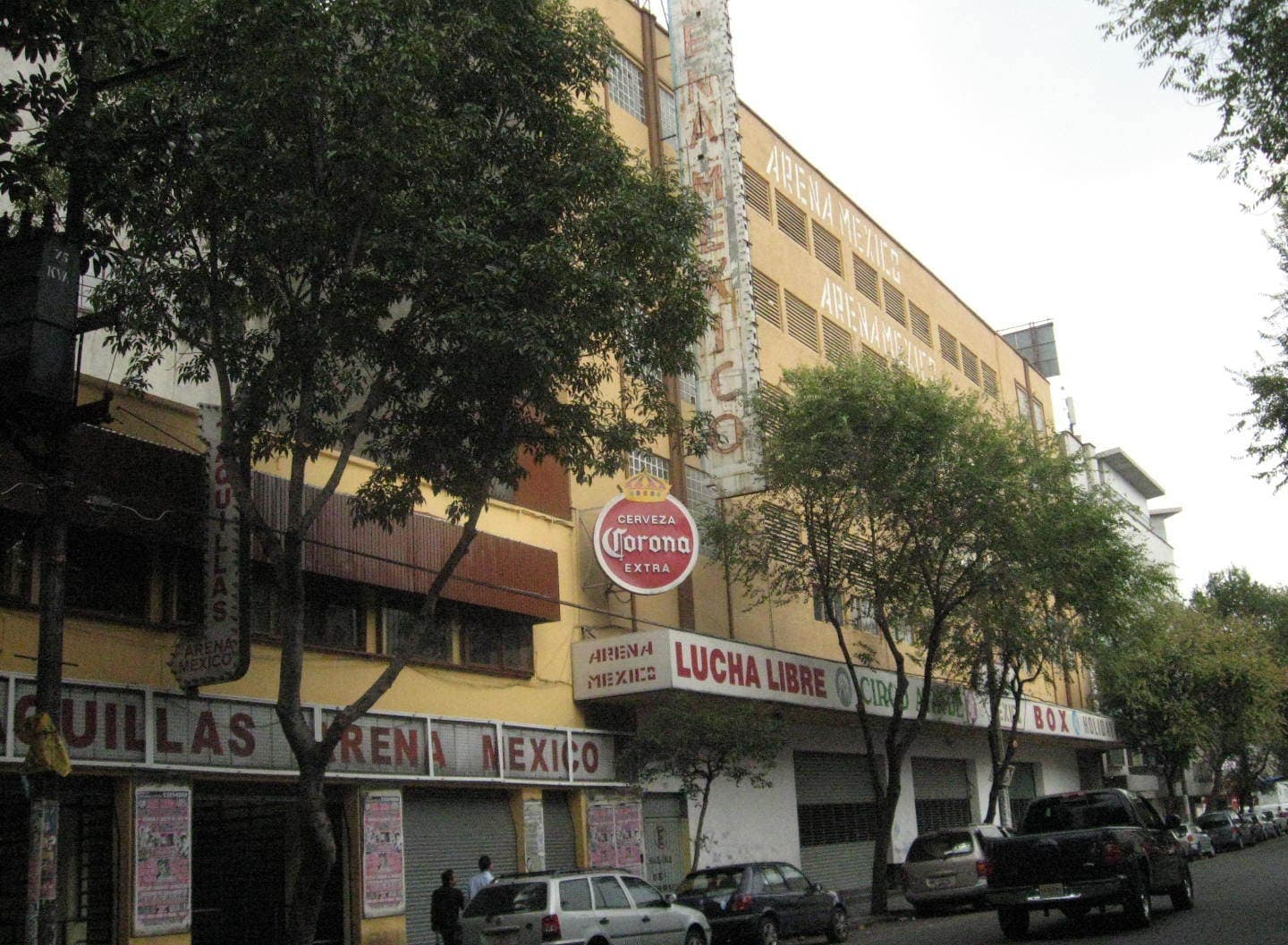
Exterior de la Arena México en la colonia Doctores

1930s · The origin

EMLL is born

After watching a show in El Paso, Texas, Salvador Lutteroth brought the idea home: on September 21, 1933 he staged the first major card at Arena Modelo —soon renamed Arena México— and founded the Empresa Mexicana de Lucha Libre. That same decade brought the Escuela de Lucha Libre, the first masked wrestler (March 1934) and, in 1935, women's wrestling. The mask stopped being a costume and became identity and mystery.
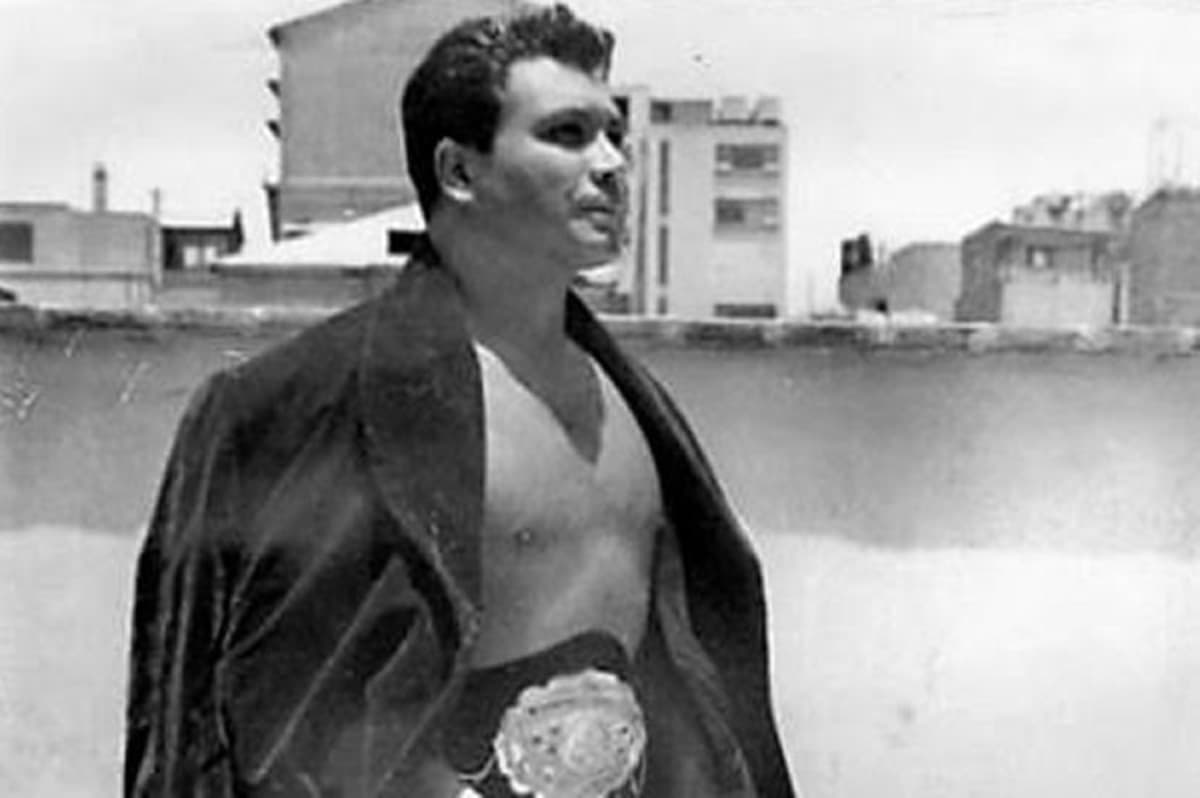
Luchador de época con cinturón de campeonato

1940s · The wager and the idol

El Santo and Arena Coliseo

The bet match —with a mask or a head of hair on the line— took hold as the dramatic signature of Mexican wrestling. In 1942 El Santo debuted, the silver-masked wrestler who would become the sport's greatest idol, and in 1943 Lutteroth opened Arena Coliseo, the first venue in the country built specifically for lucha libre.

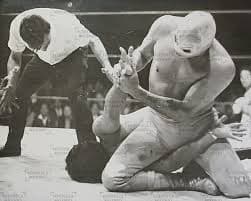
Lucha a ras de lona en una fotografía histórica

1950s · The Cathedral

Santo, Blue Demon and an arena for crowds

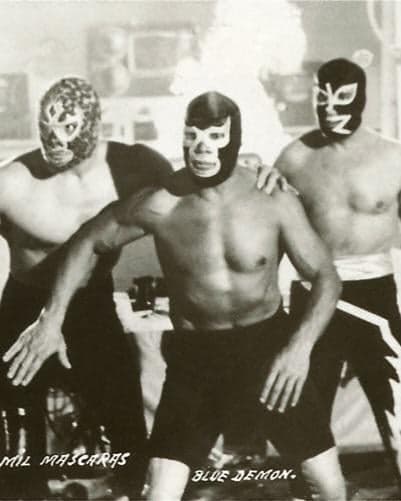
On November 7, 1952, El Santo unmasked Black Shadow at Arena Coliseo and lit his legendary rivalry with Blue Demon, while cinema turned wrestlers into mass stars. The company joined the National Wrestling Alliance and, in 1956, opened the new Arena México: the Cathedral of Lucha Libre, compared to Madison Square Garden.

Tres luchadores enmascarados de época

1960s · Cinema and masks

The golden age of the masked men

Lucha libre boomed both on the big screen and inside the ring. Rayo de Jalisco debuted in 1960 and in 1965 came Mil Máscaras, a character created for film who helped export Mexican wrestling worldwide. Bet matches and unmaskings —led by figures like El Santo and Huracán Ramírez— became the climax of every card.

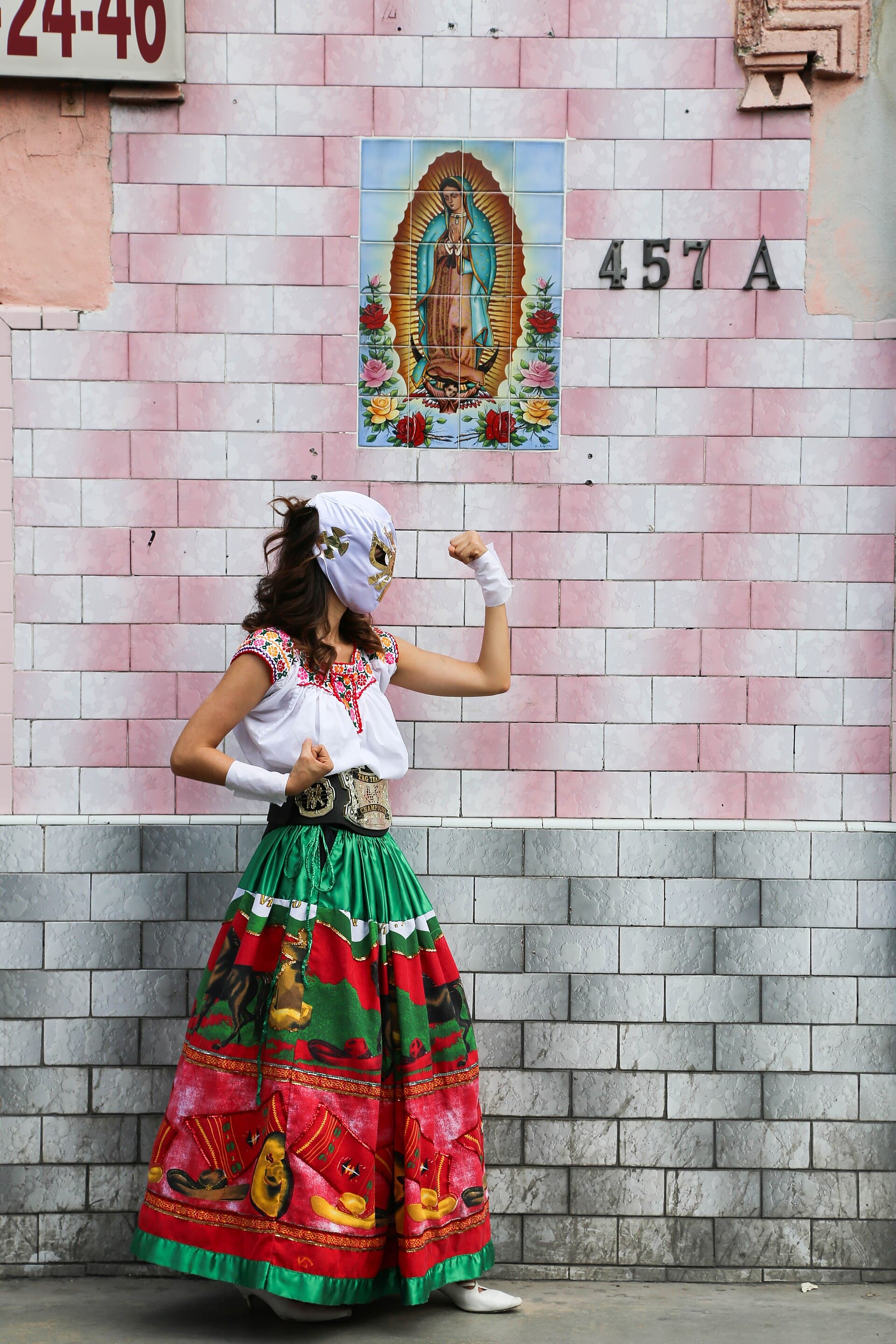
Luchadora enmascarada con vestimenta tricolor

1970s · Going global

Mexican wrestling crosses borders

Mil Máscaras became an international star wrestling in Japan and the United States, carrying the mystique of the masked man to new audiences. At home, competition arrived: in 1975, Ray Mendoza and Francisco Flores founded the UWA, a rival for years. El Santo remained the country's greatest cultural icon, on his way to retirement.

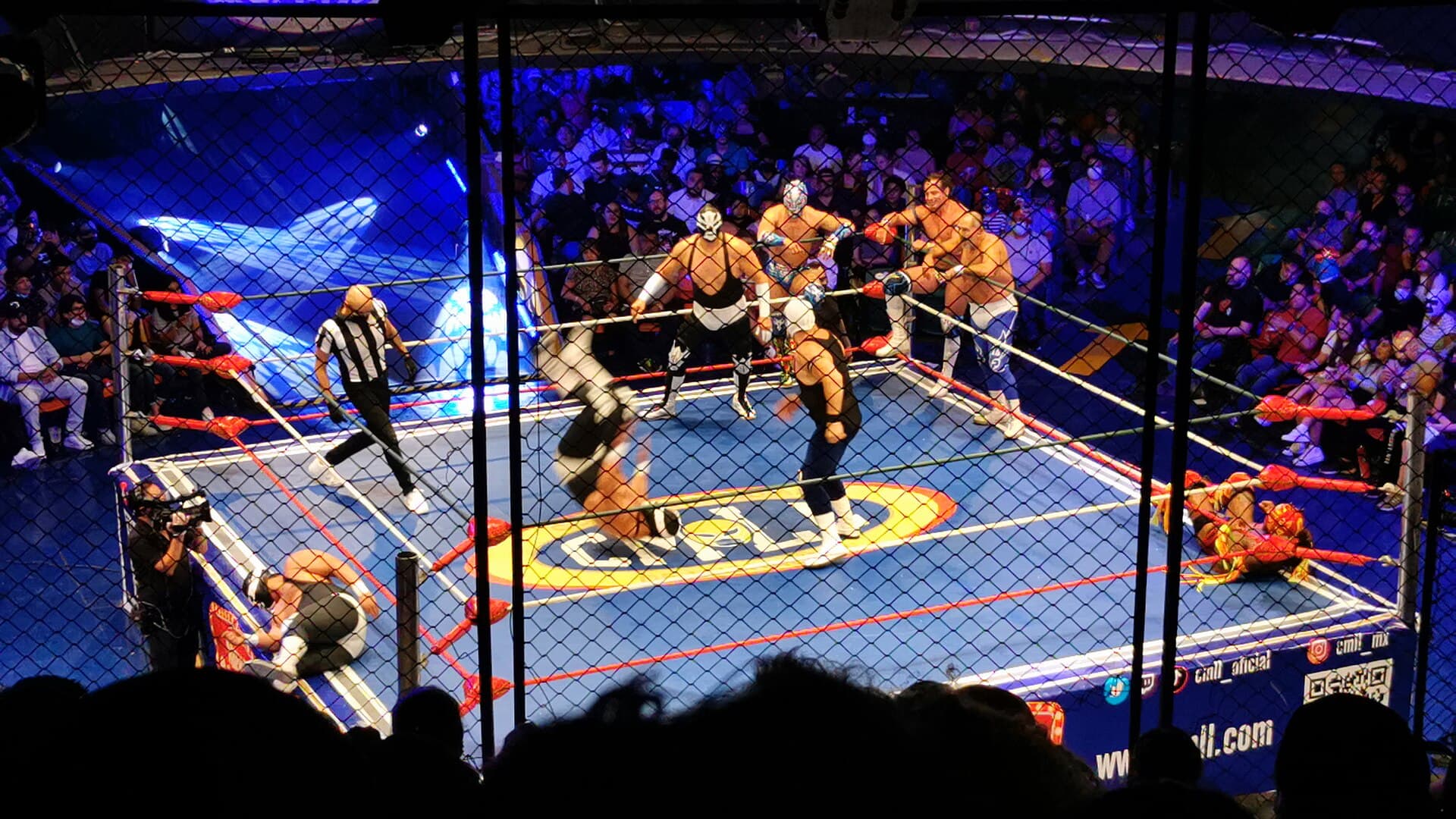
Función de lucha libre en la Arena Coliseo

1980s · The changing of the guard

New idols and the return of women

A new generation took over: El Hijo del Santo (1982) inherited his father's silver mask and Atlantis (1983) became one of the great masked técnicos. The company passed to Paco Alonso and, in 1986, the ban that had kept women from wrestling in Mexico City for decades was lifted. Trios and family stables ruled the cards.

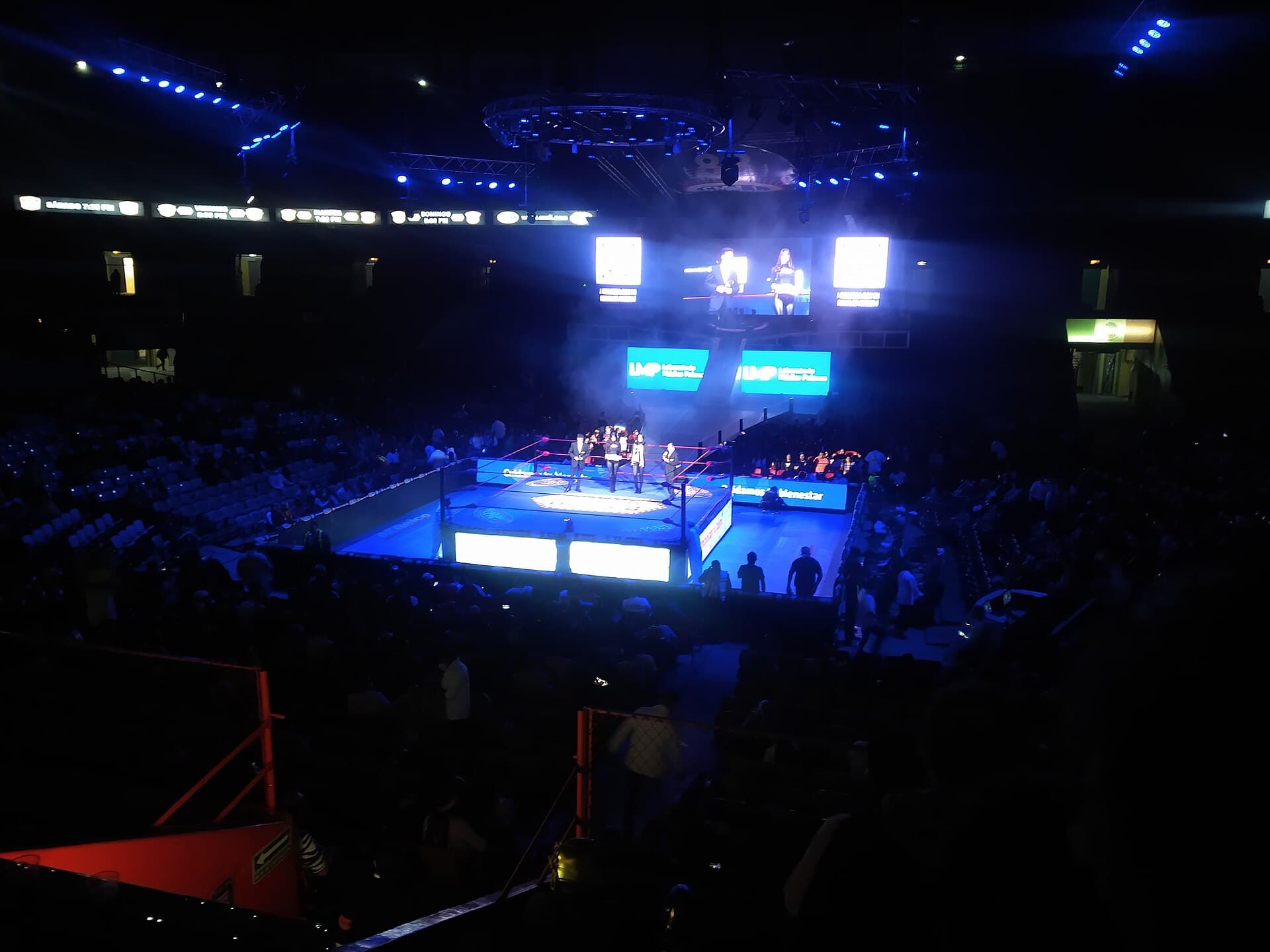
Interior de la Arena México con el ring iluminado

1990s · CMLL and the great split

The Consejo Mundial de Lucha Libre is born

In 1990 the company that had been Empresa Mexicana de Lucha Libre for 60 years was legally registered as Consejo Mundial de Lucha Libre, and soon wrestling returned to national television. In 1992 Antonio Peña left CMLL to found AAA: the split that divided Mexican wrestling in two and defined its modern era. 1996 brought the first Homenaje a Dos Leyendas.

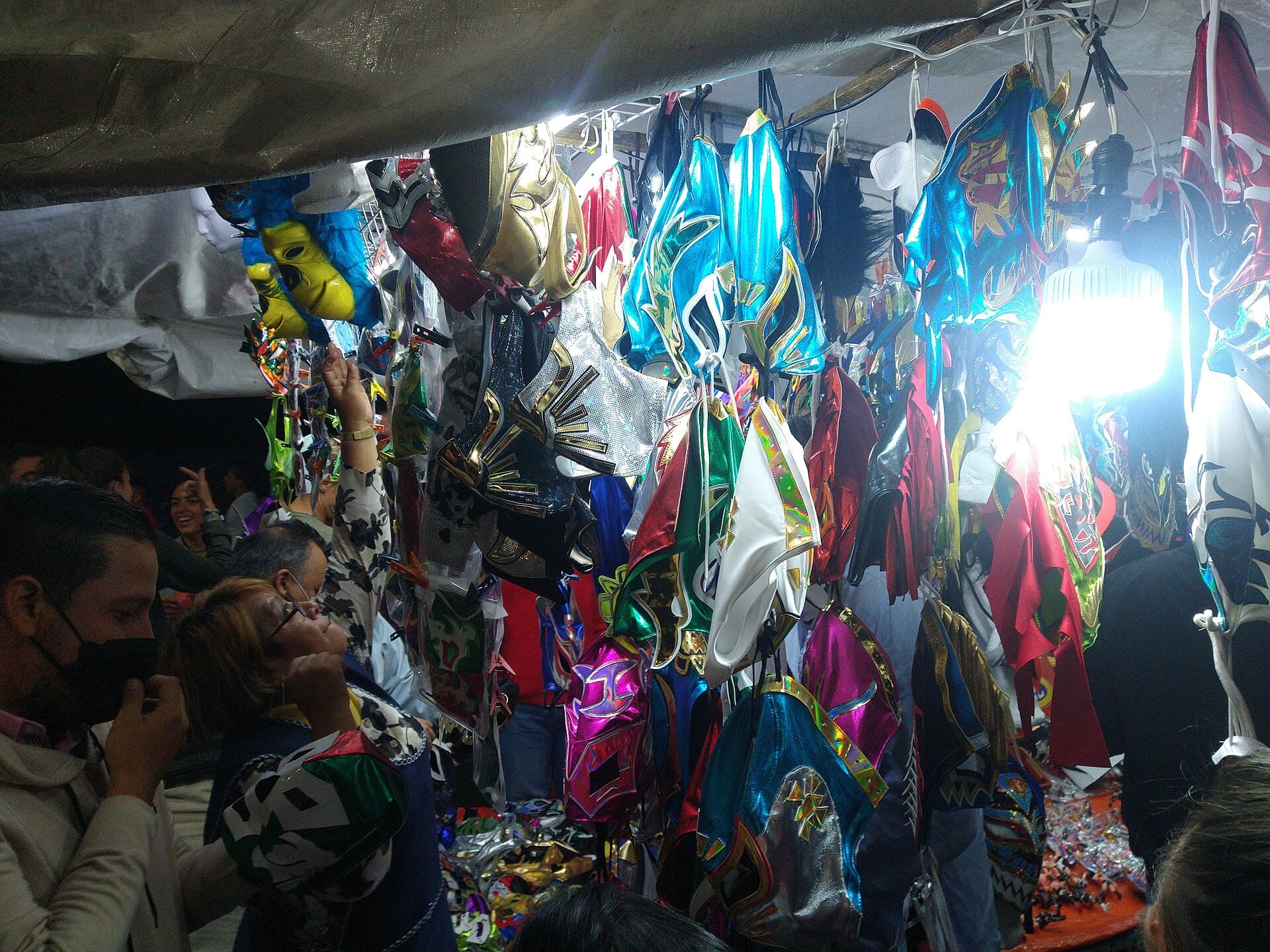
Máscaras de lucha libre afuera de la Arena México

2000s · The Místico phenomenon

A new mass-appeal star

CMLL launched its first pay-per-view and lived the Místico phenomenon, a figure who filled Arena México and renewed lucha's appeal among younger fans. Último Guerrero led the rudos with memorable tournaments, while trios like the Sky Team (Místico, Volador Jr. and La Sombra) emerged and ties with New Japan Pro-Wrestling deepened.

Exterior de la Arena México en la colonia Doctores

2010s · Records and alliances

Historic masks and global reach

On September 19, 2014, Atlantis unmasked Último Guerrero in a historic match that made CMLL the second promotion in the Americas to top a million-dollar gate. Los Ingobernables emerged, several stars jumped to WWE, and streaming with New Japan took the Friday shows worldwide. In 2019, Salvador Lutteroth III —the founder's great-grandson— returned the family to the helm.

Luchador de época con cinturón de campeonato

2020s · Behind closed doors and a new era

From the pandemic to a new century of tradition

In 2020 the pandemic forced shows behind closed doors in an empty Arena México, including an 87th Anniversary with no crowd. The company forged new international alliances —among them with AEW— and in 2023 celebrated 90 years of history. With Místico still the marquee draw and figures like Templario, Hechicero and Atlantis Jr. on the rise, CMLL upholds the oldest wrestling tradition in the world.

1930

  1. 1930
  2. 1940
  3. 1950
  4. 1960
  5. 1970
  6. 1980
  7. 1990
  8. 2000
  9. 2010
  10. 2020

New photo credits: Arena México (Thelmadatter, public domain) · Masks outside Arena México (Luis Alvaz, CC BY-SA 4.0) · La Luchadora Mexicana (Alexa Torre, CC BY-SA 4.0) · Arena Coliseo (Wotancito, CC BY-SA 4.0) · Arena México interior (Luis Alvaz, CC BY-SA 4.0)